What Students Really Learn When They Create a Documentary
When students create a documentary, they are not simply completing a class assignment. They are stepping into a real-world creative process that challenges how they think, communicate, and see the world around them. Documentary filmmaking becomes an experience that blends storytelling, collaboration, and hands-on learning in ways traditional lessons often cannot replicate.
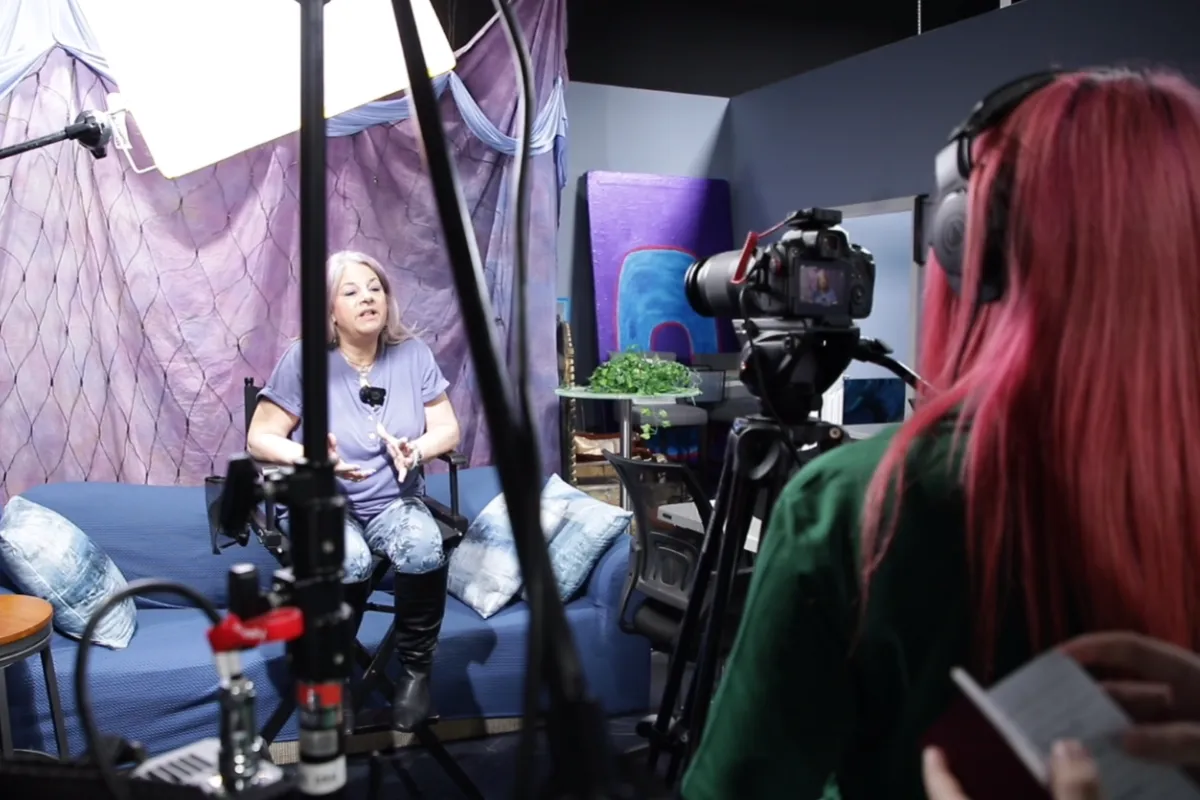
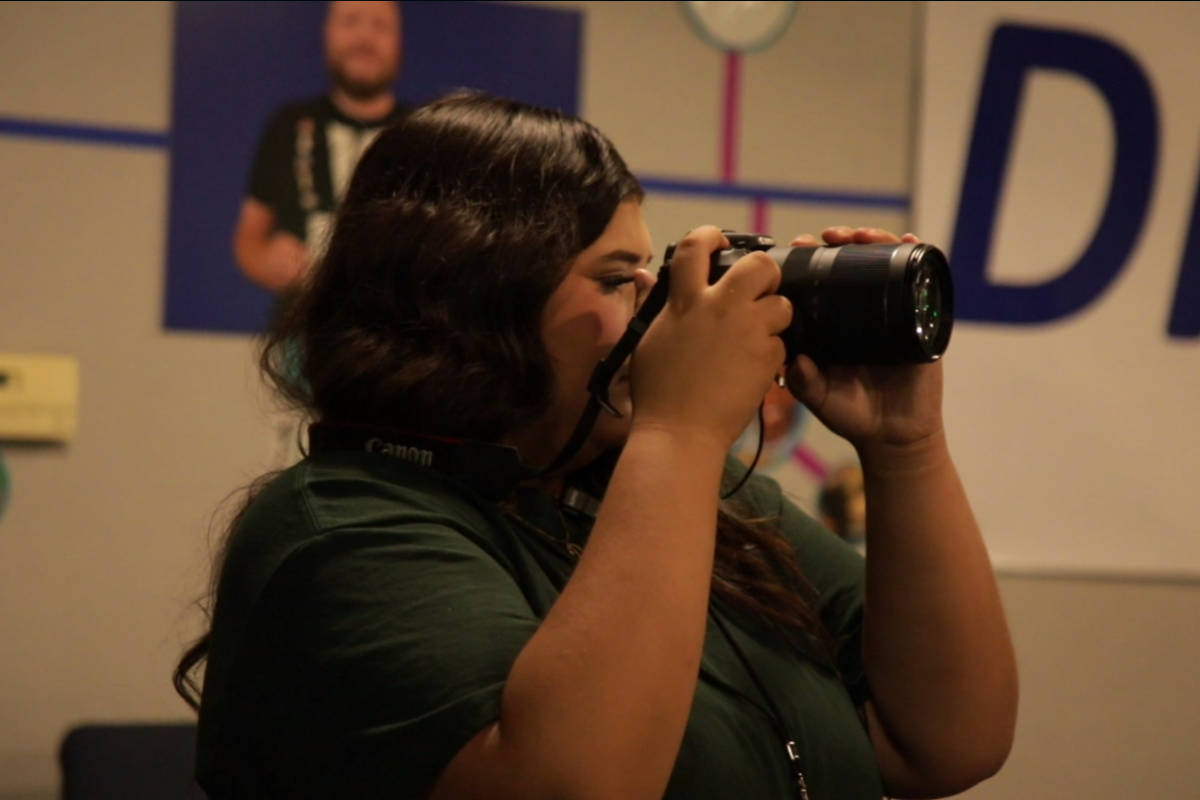
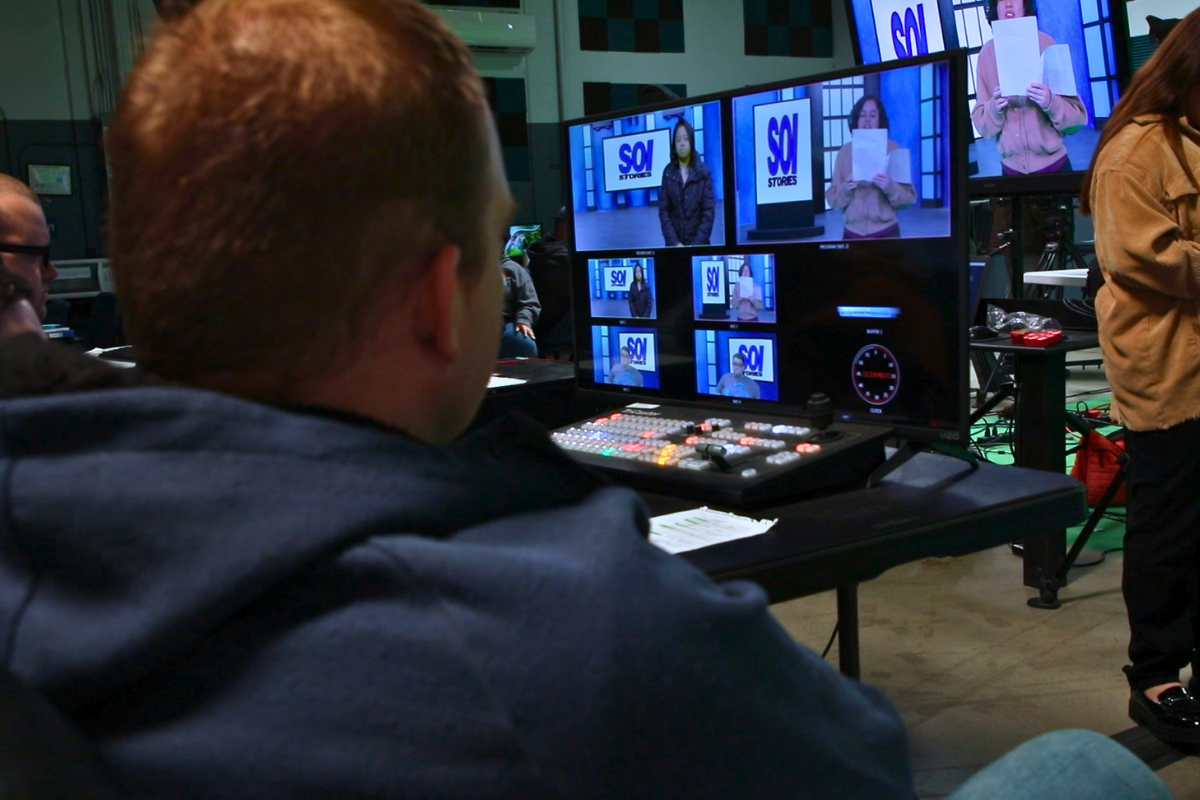
Inside programs that partner with Hemet Unified School District, students are introduced to a professional media production environment where they learn by doing. They work with real cameras, real interviews, and real production workflows that mirror industry standards. This kind of learning helps students understand not only how media is created, but why every step of the process matters.
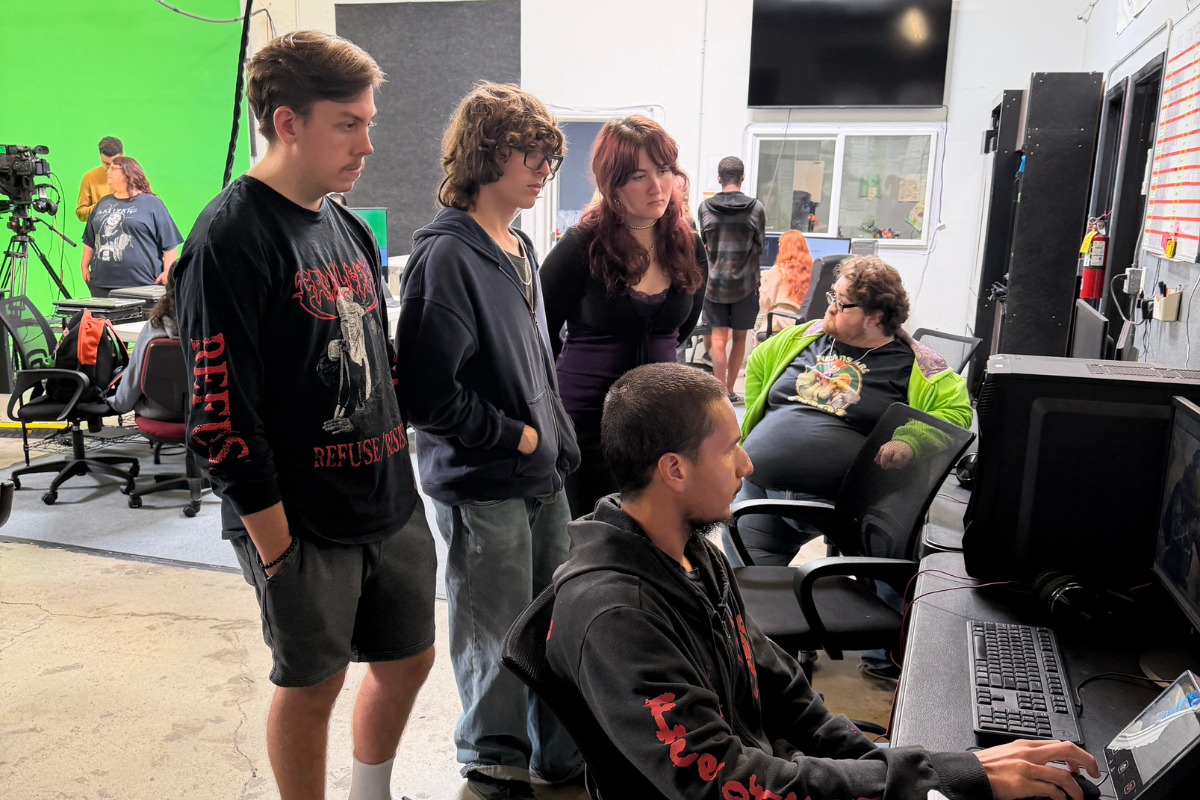
The experience is part of a broader mission focused on inclusive arts education, workforce development through the arts, and preparing students for creative career pathways in today’s digital world. More information about these programs and initiatives can be found at JDS Creative Academy.
One of the most powerful lessons students learn is how to recognize stories in everyday life. Documentary filmmaking trains them to observe more closely and think more deeply about the people and environments around them. They begin to see that meaningful stories are not rare. They exist everywhere, waiting to be told with care and intention.
Empathy is another core takeaway. When students interview individuals for their documentaries, they are not just collecting answers. They are listening to real experiences, emotions, and perspectives. This process encourages them to slow down, stay present, and approach each conversation with respect and curiosity. Over time, they learn that listening is just as important as speaking in storytelling.
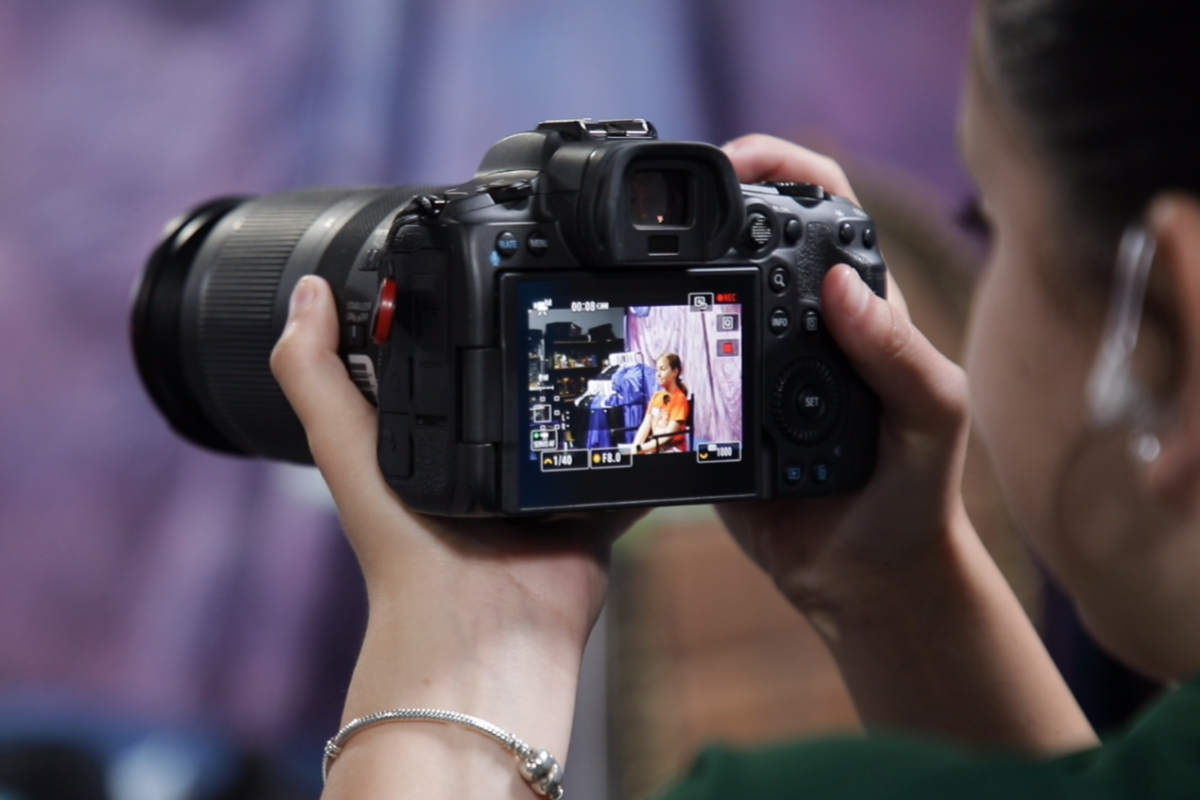
Communication skills naturally grow throughout the program. Students practice asking thoughtful questions, guiding interviews, and responding in real time to unexpected moments. These skills help them build confidence not only in media production but also in storytelling themselves in everyday situations.
Collaboration is also a key part of the learning process. Documentary filmmaking requires a team. Students take on different roles such as directing, filming, lighting, audio support, and editing. They learn how to work together, solve problems, and adapt when challenges arise. This teamwork reflects real industry environments and helps prepare them for future professional experiences.
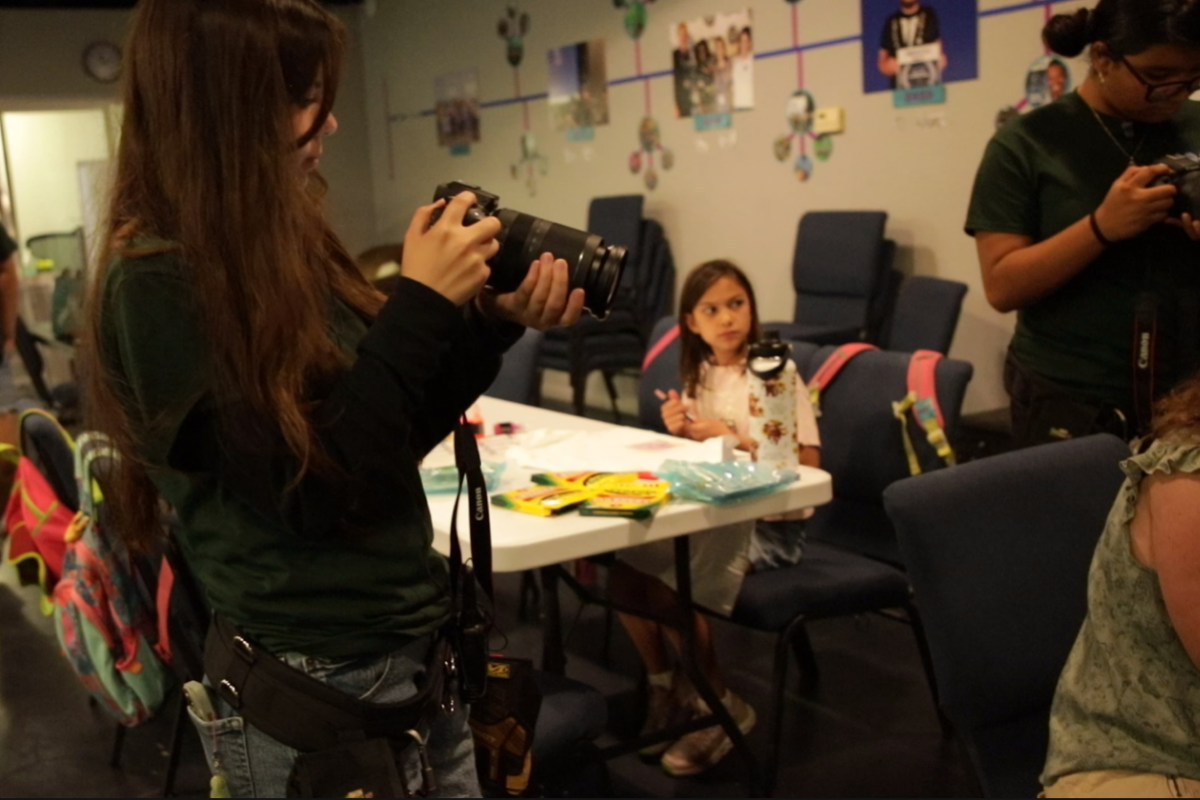
The program also introduces important workforce development skills. In a world where digital media plays a major role in communication, students gain exposure to tools and practices used in film, television, marketing, journalism, and online content creation. These experiences open doors to future creative opportunities and help students understand how their skills can translate into real careers.
As students progress, they also build confidence. Many begin unsure of themselves when using professional equipment or conducting interviews. But through practice and support, they begin to trust their abilities. They learn that they can contribute ideas, take creative risks, and complete meaningful work as part of a team.
Most importantly, students discover that their voice matters. Every story they help create reflects real people and real experiences. This understanding builds responsibility, awareness, and a deeper appreciation for the impact of media.
By the end of the program, students walk away with more than technical knowledge. They leave with empathy, communication skills, teamwork experience, and creative confidence that will stay with them long after the cameras stop rolling.
Documentary filmmaking becomes more than a learning activity. It becomes a foundation for understanding people, building connections, and telling stories that truly matter.
